The Evolution of Ecommerce
The ecommerce landscape has undergone a remarkable transformation over the past few decades. From the early days of static web pages to the dynamic, interactive platforms of today, the evolution of ecommerce has been driven by technological advancements and changing consumer behaviors. As we look ahead, it’s clear that the future of ecommerce will be shaped by innovations that enhance user experience, streamline operations, and leverage emerging technologies.
Emerging Technologies in Ecommerce
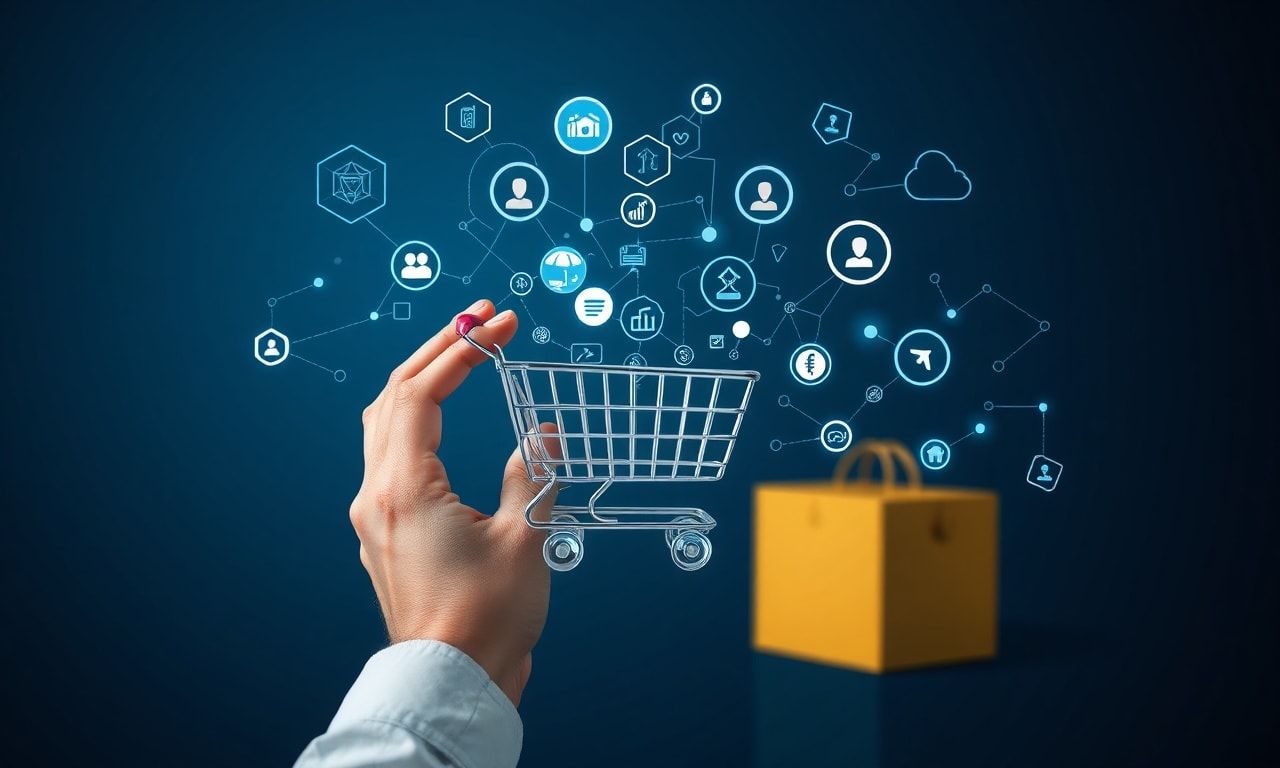
One of the most significant trends in ecommerce is the integration of emerging technologies. Artificial Intelligence (AI) and Machine Learning (ML) are revolutionizing the way businesses operate. AI-powered chatbots provide instant customer support, while ML algorithms analyze vast amounts of data to offer personalized recommendations. These technologies not only improve customer satisfaction but also drive sales and revenue growth.
Another technology that is gaining traction is Augmented Reality (AR). AR allows customers to visualize products in their own environment before making a purchase. For example, furniture retailers can use AR to let customers see how a piece of furniture would look in their home. This immersive experience enhances the shopping experience and reduces the likelihood of returns.
Blockchain technology is also making waves in the ecommerce industry. By providing a secure and transparent way to conduct transactions, blockchain can enhance trust and security. Additionally, blockchain can be used to verify the authenticity of products, which is particularly important in industries like fashion and luxury goods. For those interested in the latest fashion trends, exploring 2026 modası giyim trendleri can provide valuable insights into what’s coming next.
The Role of Mobile Commerce
Mobile commerce, or m-commerce, is another trend that is reshaping the ecommerce landscape. With the increasing use of smartphones and tablets, more consumers are turning to their mobile devices for shopping. Businesses that optimize their websites and apps for mobile users can capture a larger share of this growing market. Mobile payment solutions, such as Apple Pay and Google Wallet, are also becoming more popular, making the checkout process faster and more convenient.
Sustainability and Ethical Consumption
Consumers are becoming more conscious of the environmental impact of their purchases. As a result, sustainability and ethical consumption are becoming important factors in the ecommerce industry. Businesses that prioritize eco-friendly practices and transparent supply chains are likely to attract more customers. This includes using sustainable packaging materials, reducing carbon emissions, and sourcing products ethically. By aligning with consumer values, businesses can build brand loyalty and differentiate themselves in a competitive market.
The Importance of Personalization
Personalization is a key trend in ecommerce that is driven by the desire to provide a more tailored shopping experience. By leveraging data analytics and AI, businesses can offer personalized product recommendations, targeted marketing campaigns, and customized user experiences. Personalization not only enhances customer satisfaction but also increases the likelihood of repeat purchases. Businesses that invest in personalization technologies can gain a competitive edge and build stronger relationships with their customers.
Conclusion
The future of ecommerce is bright, with numerous trends and innovations set to transform the industry. From the integration of emerging technologies to the rise of mobile commerce and the emphasis on sustainability, businesses that stay ahead of these trends will be well-positioned for success. By focusing on customer experience, leveraging data analytics, and embracing ethical practices, ecommerce businesses can thrive in an increasingly competitive market. As the industry continues to evolve, staying informed and adaptable will be key to long-term success.