The Evolution of Ecommerce
The ecommerce landscape has undergone a remarkable transformation over the past decade. From the convenience of online shopping to the rise of mobile commerce, the industry has continuously evolved to meet consumer demands. As we look ahead to 2026, it’s essential to understand the trends and predictions that will shape the future of ecommerce.
Emerging Technologies
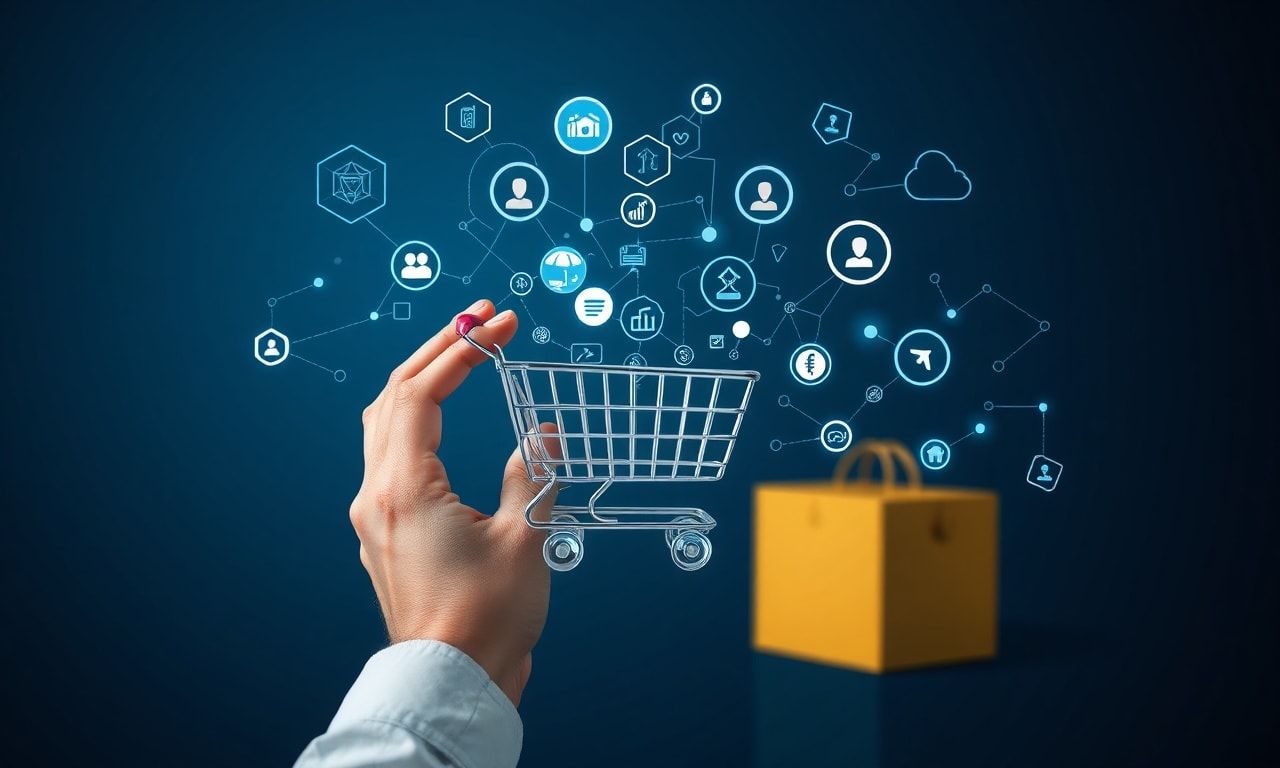
Technological advancements are at the forefront of ecommerce evolution. Artificial Intelligence (AI) and Machine Learning (ML) are expected to play a significant role in personalizing shopping experiences. AI-driven chatbots will enhance customer service, while ML algorithms will provide tailored product recommendations. Additionally, the integration of Augmented Reality (AR) and Virtual Reality (VR) will allow customers to virtually try products before making a purchase.
The Role of AI and ML
AI and ML technologies are set to revolutionize the way ecommerce businesses operate. These technologies can analyze vast amounts of data to predict consumer behavior and preferences. By leveraging AI-driven insights, businesses can optimize their inventory management, marketing strategies, and customer engagement efforts. For instance, AI-powered recommendation engines can suggest products based on a customer’s browsing and purchase history, leading to increased sales and customer satisfaction.
AR and VR in Ecommerce
AR and VR technologies are poised to transform the online shopping experience. AR allows customers to visualize products in their own environment before making a purchase, while VR creates immersive shopping experiences. For example, a customer can use AR to see how a piece of furniture would look in their living room or use VR to explore a virtual store. These technologies not only enhance the shopping experience but also reduce the likelihood of returns, as customers can make more informed decisions.
Sustainability and Ethical Consumption
As consumers become more environmentally conscious, sustainability and ethical consumption will be key drivers in the ecommerce industry. Businesses that prioritize eco-friendly practices and transparent supply chains will gain a competitive edge. From sustainable packaging to carbon-neutral shipping, ecommerce companies must adapt to meet the growing demand for sustainable products and practices.
Eco-Friendly Packaging
Eco-friendly packaging is becoming a standard rather than an exception. Consumers are increasingly opting for products that come in biodegradable or recyclable packaging. Ecommerce businesses can reduce their environmental impact by using materials like bamboo, mushroom packaging, or recycled plastics. Additionally, minimizing packaging waste and optimizing shipping routes can further contribute to sustainability efforts.
Transparent Supply Chains
Transparency in supply chains is crucial for building consumer trust. Customers want to know the origin of their products and the ethical practices involved in their production. Ecommerce businesses can achieve this by providing detailed information about their suppliers, manufacturing processes, and labor practices. By embracing transparency, businesses can foster a loyal customer base that values ethical consumption.
Personalization and Customer Experience
Personalization will continue to be a cornerstone of the ecommerce experience. Customers expect tailored recommendations, personalized marketing messages, and seamless shopping experiences. Businesses that leverage data analytics and AI technologies can create highly personalized shopping journeys that cater to individual preferences and needs.
Data-Driven Personalization
Data analytics plays a pivotal role in personalizing the shopping experience. By analyzing customer data, businesses can identify patterns and trends that inform their marketing strategies. For example, personalized email campaigns can be created based on a customer’s browsing history and purchase behavior. This level of personalization not only enhances the customer experience but also drives sales and customer loyalty.
Seamless Shopping Experiences
Seamless shopping experiences are essential for customer satisfaction. From easy navigation to fast checkout processes, every aspect of the shopping journey should be optimized for convenience. Mobile optimization is particularly important, as more consumers are shopping on their smartphones. Ensuring a smooth and intuitive mobile shopping experience can significantly boost sales and customer retention.
Global Expansion and Localization
As ecommerce continues to grow, businesses are looking to expand their reach globally. However, successful global expansion requires a deep understanding of local markets and cultures. Localization strategies, such as offering products in local languages and currencies, can help businesses connect with international customers and drive sales.
Understanding Local Markets
Understanding local markets is crucial for successful global expansion. Each market has unique consumer preferences, cultural nuances, and regulatory requirements. Businesses must conduct thorough market research to identify these factors and tailor their products and marketing strategies accordingly. For example, a product that is popular in one country may not resonate with consumers in another. By adapting to local preferences, businesses can increase their chances of success in international markets.
Localization Strategies
Localization strategies involve adapting products and marketing messages to suit local markets. This includes translating product descriptions and marketing materials into local languages, offering products in local currencies, and complying with local regulations. Additionally, businesses can leverage local influencers and partnerships to build brand awareness and credibility in new markets. By implementing effective localization strategies, businesses can successfully expand their reach and drive international sales.
Conclusion
The future of ecommerce is bright and filled with exciting opportunities. From the integration of emerging technologies to the emphasis on sustainability and personalization, businesses must stay ahead of the curve to thrive in the ever-evolving ecommerce landscape. By embracing these trends and predictions, ecommerce businesses can position themselves for success in 2026 and beyond. For those looking to enhance their personal development alongside their professional growth, exploring resources like 2026 yılı için kişisel gelişim kitapları can provide valuable insights and strategies.
If you enjoyed this article, we recommend checking out Elektrikli Bisiklet Alım Rehberi: Neler Dikkate for further reading.
If you enjoyed this article, we recommend checking out Navigating the Complexities of Modern Journalism: for further reading.
Readers interested in this subject may also want to explore Helsingin Uutiset: Kestävän kehityksen edistämisen avainkohdat for additional perspectives.