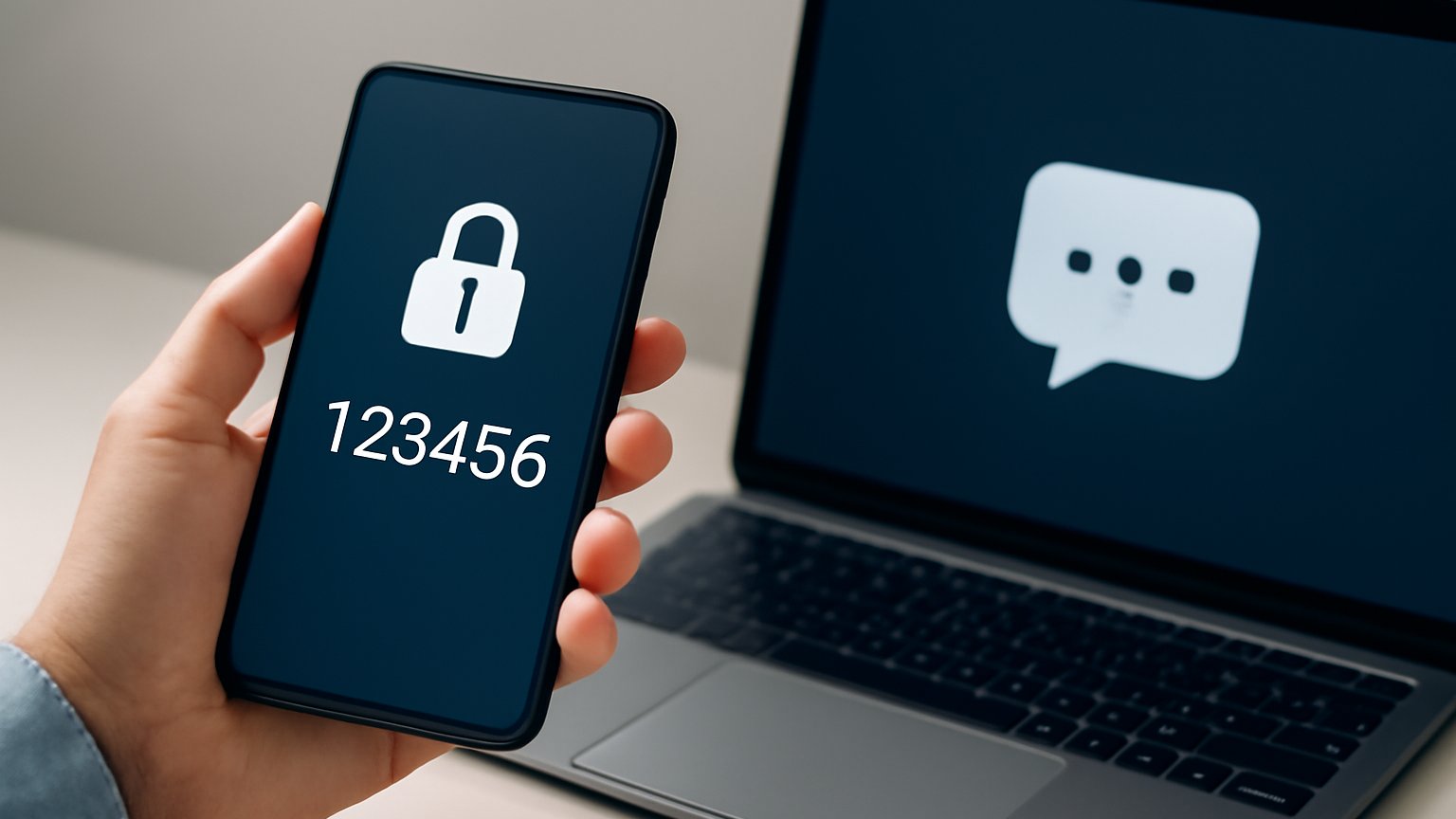
In today's digital age, the lines between security and convenience are constantly being blurred. A stark reminder of this is the growing vulnerability of single-factor authentication methods. Users have grown accustomed to receiving one-time passwords (OTPs) via otp verification software as a second layer of protection — and it's no surprise that this trend has given rise to a new generation of two-factor SMS verification APIs.
But what exactly is driving this shift towards more robust security measures? The answer lies in the chaos that arises when single-factor authentication proves inadequate. From compromised login credentials to phishing attacks, the risks associated with single-factor authentication have become increasingly unacceptable. As we delve into the world of two-factor SMS verification APIs, we'll explore the mechanics behind this technology, its applications, and the measures being taken to mitigate potential threats.
With the stakes higher than ever, experts are pushing the boundaries of secure transactions. But will the benefits of two-factor SMS verification outweigh the costs, or will this approach to security ultimately prove to be a double-edged sword? The answers to these questions lie ahead, as we scrutinize the rise of two-factor SMS verification APIs and their potential role in shaping the future of secure transactions."
From Chaos to Control: The Problem with Single-Factor Authentication
From Chaos to Control: The Problem with Single-Factor Authentication
Single-factor authentication (SFA) has long been the norm for online transactions. A username and password combo were the standard means of verifying user identities. However, this simplistic approach has glaring vulnerabilities. Otp code api has evolved to fill the security gaps left by SFA.
- ✅ Regular passwords are easily guessed or stolen.
- ⚡ Phishing attacks can deceive even the most cautious users.
- 💡 Hackers can exploit weak password policies.
Users often rely on the same password across multiple platforms, creating a domino effect of vulnerability. An attacker gaining access to one account can quickly cascade to other linked accounts. This chaos can be stemmed with more advanced authentication methods, like multi-factor authentication.
| Authentication Method | Security | ||||||||||||||||
|---|---|---|---|---|---|---|---|---|---|---|---|---|---|---|---|---|---|
| Feature | Two-Factor SMS Verification | Traditional Passwords |
|---|---|---|
| Security | ✅ Higher security standards | ⚠️ Vulnerable to hacking and phishing |
The Dark Side of Convenience: Mitigating Risks and Threats in Two-Factor SMS
The Dark Side of Convenience: Mitigating Risks and Threats in Two-Factor SMS
While two-factor SMS verification APIs have revolutionized the way we authenticate and authorize sensitive transactions, they come with their own set of risks and threats. sms otp verification api security vulnerabilities can be exploited by sophisticated attackers, compromising user credentials and sensitive information. To mitigate these risks, it's essential to identify and address potential vulnerabilities proactively.
- ✅ Implement end-to-end encryption for SMS communication to prevent eavesdropping and interception.
⚡ Regularly update and patch SMS verification software and libraries to address known vulnerabilities.
💡 Monitor SMS traffic and user activity to detect potential anomalies and security threats.
In addition to these measures, it's essential to educate users about the risks associated with two-factor SMS verification and provide guidance on how to use these services securely. By taking a proactive approach to two-factor SMS verification security, developers and organizations can protect sensitive information and prevent costly security breaches.
Secure SMS verification is not just about technology; it's about people and processes.While two-factor SMS verification is a convenient and effective way to authenticate users, it's not foolproof. By understanding the potential risks and threats associated with these services and taking proactive measures to mitigate them, organizations can ensure the security and integrity of sensitive information.
Building a Better Tomorrow: The Future of Secure Transactions with Two-Factor SMS APIs
Building a Better Tomorrow: The Future of Secure Transactions with Two-Factor SMS APIs
As the world becomes increasingly digital, the importance of secure transactions cannot be overstated. With the rise of Two-Factor SMS Verification APIs, businesses and individuals alike can enjoy a safer, more secure online experience. To reap the full benefits of these APIs, however, it's essential to understand the intricacies involved. For instance, did you know that storing SMS OTPs can lead to security vulnerabilities?
Storing SMS OTPs can indeed lead to security vulnerabilities, as seen in Hesap Doğrultaşmasında Kullandığınız Kodlardan Hafıza.- ✅ Implement Two-Factor SMS Verification APIs for added security
- ⚡ Regularly update and patch API software to prevent vulnerabilities
- 💡 Educate users on the importance of secure transactions and Two-Factor SMS Verification APIs
| Feature | Two-Factor SMS Verification APIs | Traditional Transaction Methods |
|---|---|---|
| Security | High | Medium |
| User Experience | Good | Poor |
| Scalability | High | Low |
The Future of Secure Transactions: A New Era Unfolds
The rise of two-factor sms otp verification api has marked a significant shift in the world of secure transactions. By layering an additional layer of security, these APIs have empowered users to protect themselves from the chaos of single-factor authentication. With security showdowns intensifying and the dark side of convenience looming, it's clear that the stakes are higher than ever.
As we build a better tomorrow, the integration of two-factor sms otp verification api is no longer a luxury, but a necessity. It's time for developers to rethink their approaches and prioritize user security. The question remains: will we harness the power of these APIs to create a truly secure future, or will we succumb to the convenience culture that threatens to undermine our progress? The answer lies in our collective actions, and the future is now.
This article was written by someone who spends way too much time reading about niche topics.