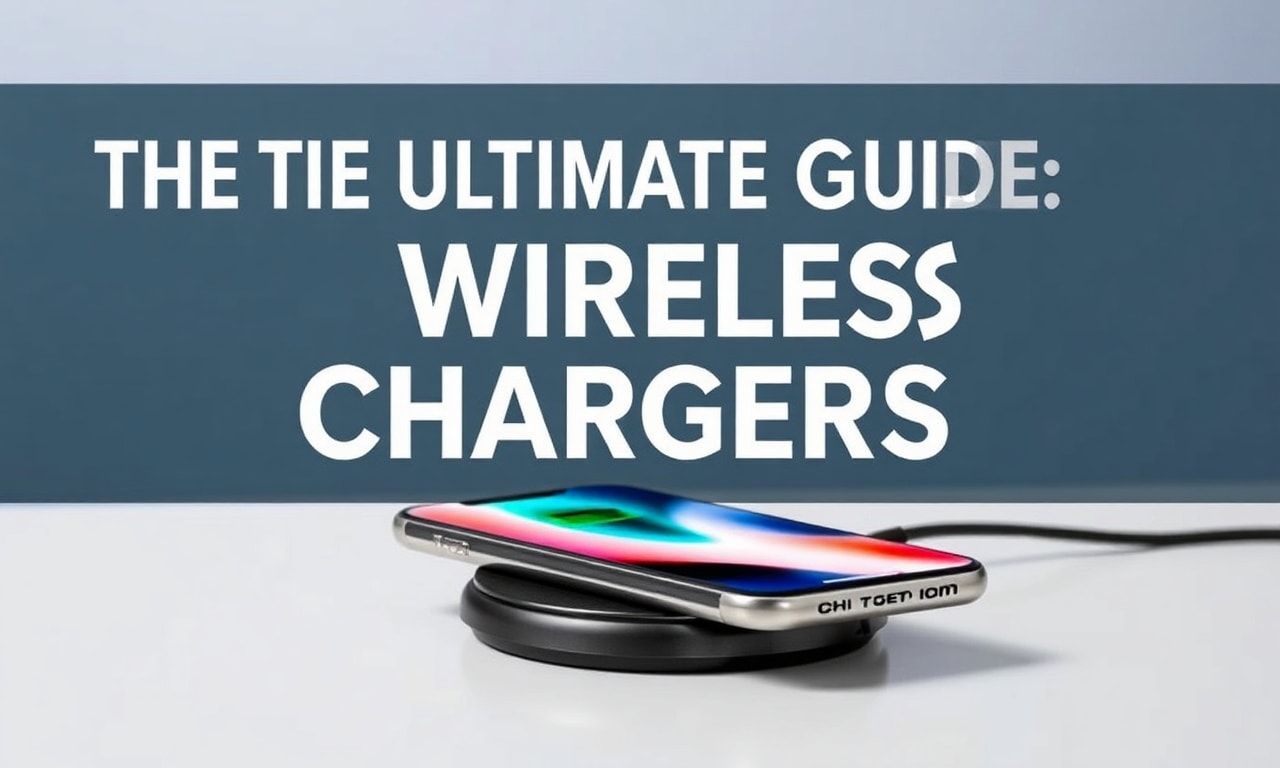
Introduction to Wireless Charging
In the rapidly evolving world of technology, wireless chargers have become an essential accessory for modern consumers. The convenience of charging your devices without the hassle of cables has made wireless charging a popular choice. This article will delve into the intricacies of wireless chargers, their benefits, and how to choose the best one for your needs.
The Science Behind Wireless Charging
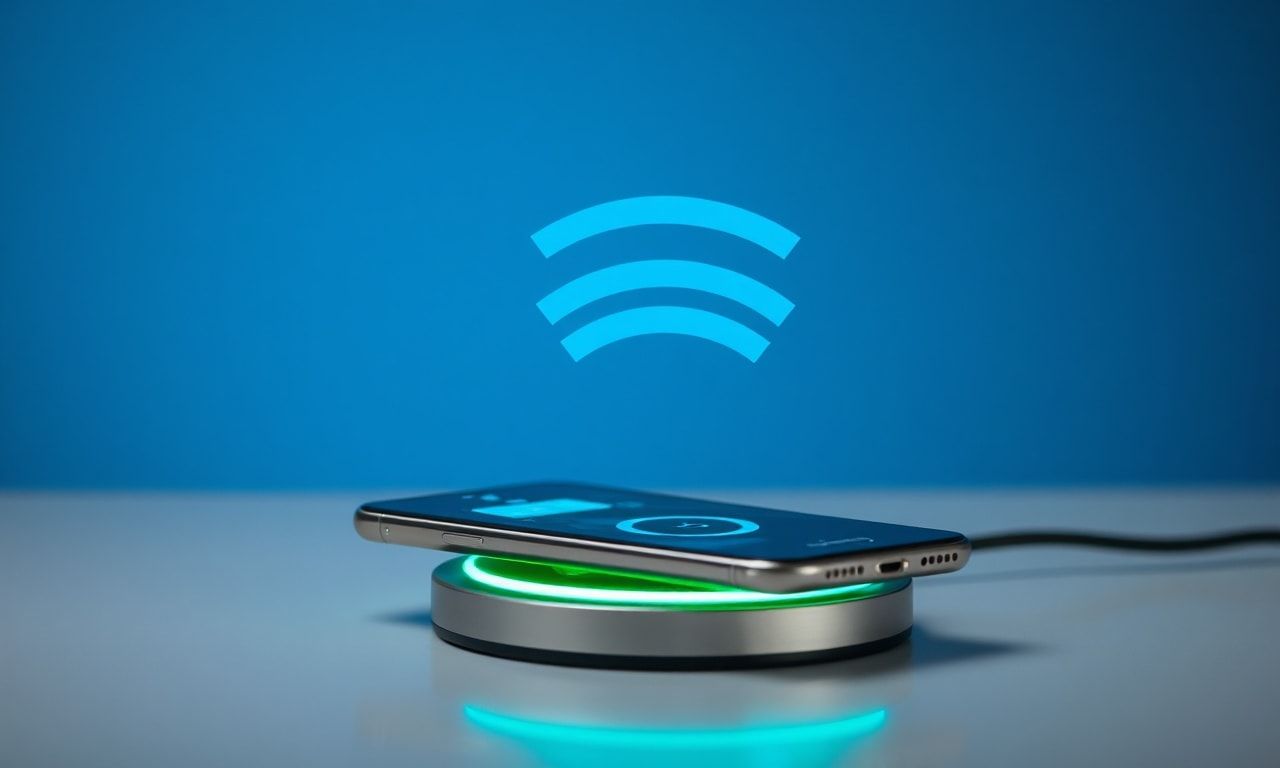
Wireless charging operates on the principle of electromagnetic induction. A charger pad, also known as a transmitter, creates an electromagnetic field. When a compatible device, such as a smartphone, is placed on the pad, it acts as a receiver, converting the electromagnetic energy back into electrical current to charge the device’s battery. This technology is not only efficient but also incredibly convenient for everyday use.
Types of Wireless Charging
There are primarily two types of wireless charging: inductive and resonant. Inductive charging requires the device to be in direct contact with the charging pad, while resonant charging allows for a slight distance between the device and the pad. Both methods are widely used, but resonant charging is gaining popularity due to its flexibility.
Benefits of Wireless Chargers
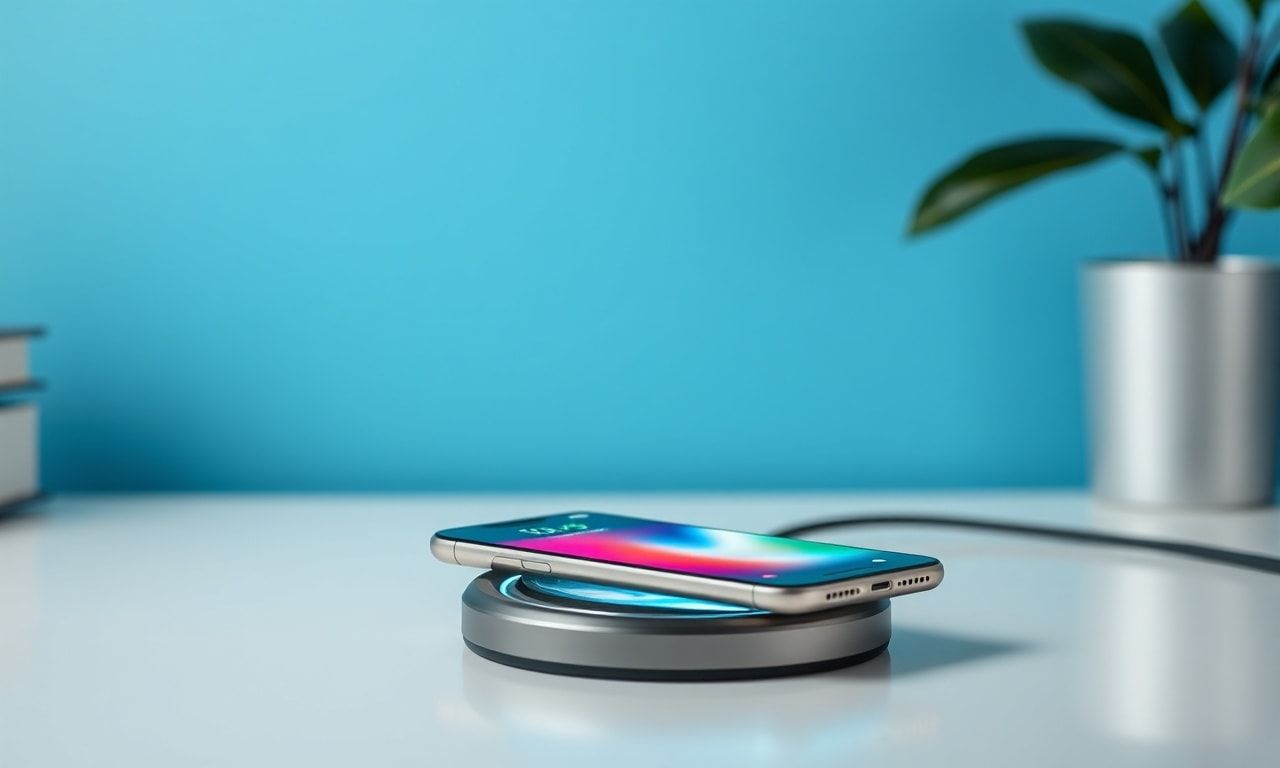
Wireless chargers offer numerous advantages over traditional wired chargers. Firstly, they eliminate the need for multiple cables, reducing clutter and making your workspace or living area more organized. Secondly, they provide a seamless charging experience, allowing you to charge your device simply by placing it on the pad. Additionally, wireless chargers are often more durable and long-lasting compared to their wired counterparts.
Another significant benefit is the convenience they offer during summer parties. Imagine hosting a gathering and needing to charge your phone without the hassle of finding a power outlet. A wireless charger can be placed on a table, and guests can easily charge their devices while enjoying their time. For those looking to add a sweet touch to their parties, consider serving best asian desserts for summer parties alongside providing a wireless charging station for your guests.
Compatibility and Standards
When choosing a wireless charger, it’s crucial to ensure compatibility with your devices. Most modern smartphones support the Qi standard, which is the most widely adopted wireless charging standard. However, it’s always a good practice to check the specifications of your device and the charger to avoid any compatibility issues.
Choosing the Right Wireless Charger
Selecting the right wireless charger can be overwhelming given the plethora of options available. Here are some factors to consider:
- Power Output: Ensure the charger provides sufficient power output to charge your device efficiently. Most smartphones require a power output of around 10W.
- Design and Portability: Consider the design and portability of the charger. If you travel frequently, a compact and portable charger would be ideal.
- Multi-Device Charging: Some chargers support multiple devices simultaneously, which can be convenient if you have several devices to charge.
- Safety Features: Look for chargers with built-in safety features such as overcurrent protection, overvoltage protection, and temperature control to ensure the safety of your devices.
Future of Wireless Charging
The future of wireless charging looks promising with ongoing advancements in technology. Researchers are exploring the possibility of long-range wireless charging, which would allow devices to be charged from a distance. Additionally, the integration of wireless charging into everyday objects, such as furniture and vehicles, is on the horizon. These innovations will further enhance the convenience and efficiency of wireless charging.
In conclusion, wireless chargers have revolutionized the way we charge our devices. Their convenience, efficiency, and numerous benefits make them an essential accessory for modern consumers. By understanding the science behind wireless charging, the benefits it offers, and how to choose the right charger, you can make an informed decision and enjoy a seamless charging experience.
As online shopping continues to evolve, it’s essential to stay ahead of the curve; discover the key trends shaping e-commerce and how you can leverage them for your business.
If you’re looking to upgrade your driving experience, explore tech-driven car seat comfort and discover the latest innovations that blend cutting-edge technology with ergonomic design.
To enhance your online shopping experience and stay updated with the latest trends, dive into our comprehensive guide on e-commerce tips and trends.